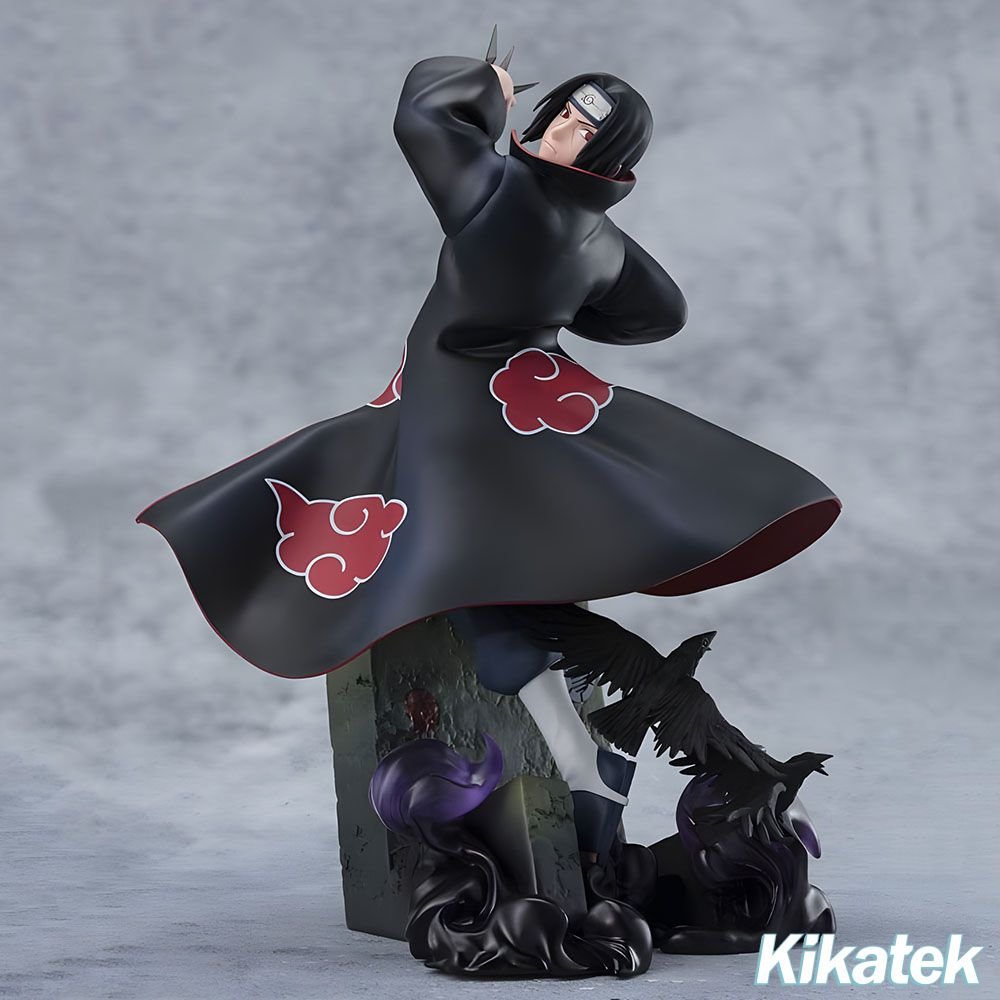
Itachi Uchiha. The name alone conjures images of a shadowed past, impossible choices, and a moral compass few could ever truly grasp. While his legendary tale unfolds within the world of Naruto, his profound impact on the anime landscape is so significant that fans often ponder his place in other complex narratives, even those as intricate as Re Zero - Starting Life in Another World. This super pillar hub article serves as your definitive guide, unraveling the layers of Itachi's character, explaining his canon story, and exploring precisely why he remains a pivotal figure in redefining the anime anti-hero, all while acknowledging the intriguing thought experiment of his hypothetical presence in a world utterly different from his own.
Whether you're curious about his true motivations, his formidable powers, or simply contemplating the sheer depth of his character, prepare for a journey that celebrates one of anime's most beloved and misunderstood figures. And as we delve into the nuances of his legacy, we'll also invite you to consider the fascinating possibilities that emerge when contemplating deep diving into a potential Re Zero arc for Itachi, a testament to his universally compelling nature.
The Itachi Uchiha Paradox: Defining the Anime Anti-Hero
Itachi Uchiha initially burst onto the scene in Naruto as a cold, ruthless antagonist responsible for the massacre of his entire clan. Yet, as his story gradually unfolded, he transformed into something far more profound: a complex anti-hero who reshaped the very definition of the trope within battle shonen. Anime anti-heroes typically navigate morally gray areas, often driven by survival or a twisted version of the "greater good."
They generally fall into two categories: those on a redemption arc, like Vegeta or Guts, who evolve from violent beginnings due to relationships and experiences, and victims of circumstance, such as Lelouch vi Britannia or Akira Fudo, forced into extreme acts to combat greater evils, often at great personal cost. Itachi embodies elements of the latter, yet stands distinct. He lacks the common aggression or self-centeredness, choosing a path of self-sacrifice and silent suffering. To truly appreciate his unique position, it’s essential to understand the very essence of the anti-hero trope he embodies and how he pushes its boundaries.
A Legacy Forged in Fire: Itachi's Tragic Path to Peace
Itachi's journey began long before the infamous massacre. Born into a period of relentless war, he harbored a deep-seated desire for peace, maturing into a pacifistic prodigy who sought to protect Konoha at all costs. His rapid ascent through the ANBU ranks at a mere 13 years old placed immense pressure on his young shoulders, forcing him to confront the dark underbelly of the ninja world.
The brewing Uchiha clan coup d'état against Konoha, fueled by growing distrust and historical accusations, placed Itachi in an impossible bind. When his best friend, Shisui Uchiha, who shared his love for the village, was tragically disarmed by Danzo Shimura and entrusted his remaining eye to Itachi, the path forward became horrifyingly clear. Itachi was manipulated by Danzo into making the ultimate sacrifice: to slaughter his own clan to prevent a civil war, with the sole condition that his younger brother, Sasuke, be spared. This brutal choice cemented Itachi's complex identity as a tragic hero or a misguided villain in the annals of anime history, all in service of Itachi's relentless pursuit of peace for Konoha.
The Silent Protector: Itachi's Covert Operations and Unwavering Dedication
Having committed the atrocity, Itachi dedicated his life to protecting Konoha and Sasuke from the shadows. He willingly accepted the role of a villain, believing Sasuke's hatred would fuel his growth, eventually leading him to kill Itachi and restore the Uchiha's honor – an atonement Itachi eagerly awaited. He left Konoha, joining the notorious Akatsuki terrorist organization, but his true purpose was to act as a double agent, monitoring their activities and ensuring they posed no threat to his beloved village.
Itachi also issued a stern warning to Danzo against harming Sasuke and secured the Third Hokage's promise of protection for his brother. This clandestine life showcases the immense burden he carried, driven by a selfless love. To understand the intricacies of his double life, we encourage you to explore his undercover mission within the Akatsuki in detail.
A Master of Shadows: Itachi's Formidable Abilities and Intellect
Beyond his tragic backstory, Itachi was a ninja of unparalleled intellect and power, often relying on strategy and genjutsu over brute force. His mastery of the Sharingan allowed him to wield devastating techniques: the illusionary world of Tsukuyomi, the inextinguishable black flames of Amaterasu, and the formidable skeletal warrior, Susanoo. These abilities, combined with his humble persona and strategic genius, made him a truly fearsome opponent who preferred to incapacitate rather than kill.
Imagine how such powers, combined with his intellect, would dramatically shift the dynamics in a world like Re Zero. When considering how Itachi's abilities would seamlessly integrate with Re Zero's magic system, it's clear his genjutsu and elemental attacks would present an entirely new challenge to witches and spirits alike. For a deeper dive into his iconic arsenal, uncover the formidable power behind Tsukuyomi, Amaterasu, and Susanoo. Given his tactical mind and capacity for difficult choices, it's also worth thinking about exploring the unique moral dilemmas Itachi would face in Re Zero, a world rife with suffering and desperate sacrifices.
The Bonds That Bind: Itachi, Sasuke, and the Cost of Love
The relationship between Itachi and Sasuke lies at the very heart of Itachi’s character. His decision to inflict trauma upon Sasuke, particularly through the Tsukuyomi, was a profoundly flawed yet desperate attempt to harden his brother and guide him towards becoming strong enough to avenge their clan. In Naruto Part II, their fated final battle pushed Sasuke to his limits, culminating in Itachi sealing away Orochimaru from Sasuke's body and succumbing to a mysterious illness. As a final, protective act, he implanted his Amaterasu in Sasuke, a silent guardian against Tobi (Obito Uchiha).
Sadly, Tobi, aware of Itachi's true loyalties, survived and exposed the full, brutal truth of Itachi's actions to Sasuke, inadvertently twisting Sasuke's grief into a desire for revenge against Konoha. This agonizing dynamic is brilliantly unpacked in the deeply complex relationship between Itachi and Sasuke. Many fans also see the intriguing parallels between Itachi and Subaru Natsuki, both characters bearing immense burdens, making countless sacrifices, and grappling with cycles of pain for those they love.
Redemption Beyond the Grave: Itachi's Final Acts and Enduring Legacy
Itachi's story found its powerful conclusion during the Fourth Great Ninja War. Resurrected by Kabuto Yakushi's Edo Tensei, he was forced to fight alongside Nagato against Naruto and Killer Bee. Yet, with a crow containing Shisui's eye, Itachi regained his free will, sealed Nagato, and then sought out Kabuto, ultimately trapping him in an eternal time-loop with Izanami to break the Edo Tensei.
Before his soul could fade, Itachi projected his memories to Sasuke, revealing the complete truth of the Uchiha clan massacre and expressing his unconditional love, telling Sasuke he didn't need forgiveness. These final words, combined with his encounter with Naruto, finally inspired Sasuke to abandon his path of revenge and dedicate himself to protecting Konoha, thus fulfilling Itachi's ultimate wish. Sasuke later honored his brother by adopting Itachi's affectionate forehead poke with his own family. The profound depths of his abilities, often sparking conversations around the intricacies of Itachi's Eternal Mangekyo Sharingan and its applications, continue to captivate fans worldwide.
Itachi's Undeniable Impact on Anime Anti-Heroes and Beyond
Masashi Kishimoto initially conceived Itachi with only a violent act in mind, yet he evolved into one of Naruto's most celebrated characters, consistently ranking high in popularity polls and garnering critical acclaim for his compelling antagonist role, the gradual revelations of his past, and his "epic" fights. His narrative powerfully addresses themes of child soldiers and individuals ensnared by unjust systems, cementing his place in anime history.
Itachi’s legacy transcends his original series, sparking countless fan theories and discussions. The sheer depth of his character, his moral ambiguities, and his tragic sacrifices make him a perpetually fascinating subject. This is why discussions around the vibrant fan theories and discussions surrounding Itachi's potential impact across different universes remain so compelling, as does speculating on how Itachi might influence key Re Zero characters like Emilia, Rem, or Roswaal, should their paths ever intertwine. Ultimately, Itachi's ability to be simultaneously hated and loved, misunderstood and revered, has had a profound impact on the evolving archetype of the anime anti-hero, ensuring his story continues to resonate with audiences, no matter the world.